Advancements in Medical Equipment Illumination Technology
The field of medical equipment illumination has witnessed remarkable technological progress in recent years, driven by innovations in lighting technology, materials science, and clinical requirements. These advancements have significantly enhanced the functionality, reliability, and user experience of medical lighting systems across various healthcare settings and applications.
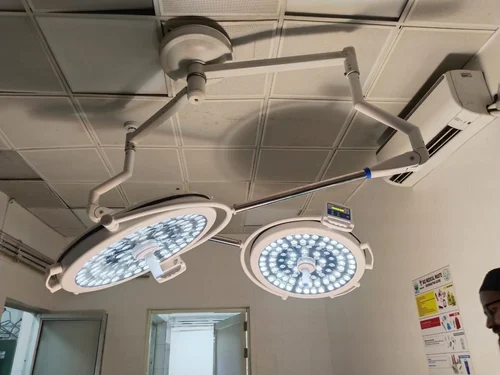
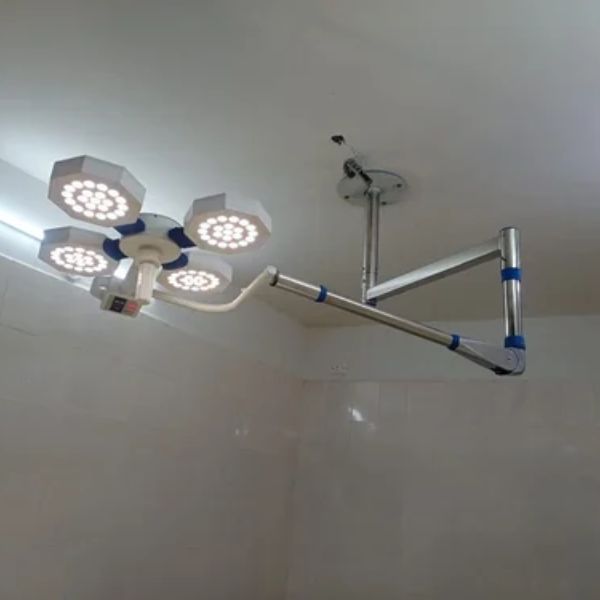
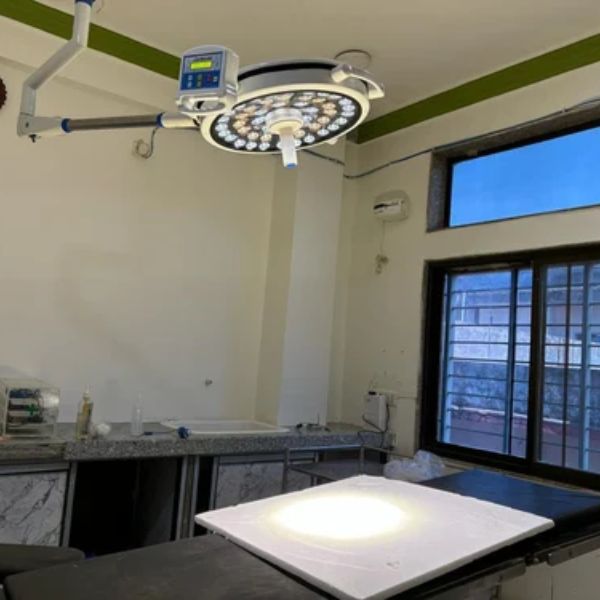
LED technology integration has revolutionized medical illumination systems by offering superior performance characteristics compared to traditional lighting sources. Modern medical LEDs provide exceptional brightness control, color accuracy, and energy efficiency while generating minimal heat output. These characteristics make LED illumination ideal for sensitive medical applications where precise lighting conditions and equipment longevity are paramount considerations.
Smart lighting controls represent a significant advancement in medical equipment illumination systems. Programmable lighting configurations, automated intensity adjustment, and integration with medical monitoring systems enable customized illumination solutions that adapt to specific procedural requirements and clinical scenarios. These intelligent systems can optimize lighting conditions based on surgical phase, tissue type, and surgeon preference without manual intervention.
Miniaturization of illumination components has enabled more compact and versatile medical lighting solutions. Smaller, more efficient light sources allow integration into minimally invasive surgical instruments, diagnostic equipment, and portable medical devices. This technological trend supports the development of less invasive medical procedures and more flexible clinical approaches across various medical specialties.
Specialized spectral lighting technologies have emerged to address specific medical requirements beyond standard visible illumination. Applications include phototherapy systems for neonatal jaundice treatment, surgical guidance using specific wavelength illumination, and diagnostic equipment employing specialized light spectra for enhanced visualization of biological tissues and structures.
Sustainability considerations have increasingly influenced medical illumination technology development. Energy-efficient designs, longer operational lifespans, and environmentally responsible manufacturing processes reflect the medical equipment industry's growing commitment to sustainable healthcare solutions. These developments align with broader healthcare initiatives focusing on environmental responsibility and resource conservation.
Conclusion: The Future of Medical Illumination Technology
- Technological advancements in medical equipment illumination have transformed lighting from a basic functional requirement to a sophisticated clinical tool that enhances medical procedures and patient care.
- The integration of LED technology, smart controls, and specialized lighting applications has created illumination solutions that address diverse medical requirements with unprecedented precision and efficiency.
- Future developments in medical illumination will likely focus on enhanced integration with digital healthcare systems, adaptive lighting technologies, and specialized applications for emerging medical procedures and diagnostic approaches.
- Sustainability and energy efficiency will continue to drive innovation in medical lighting technology, supporting healthcare facilities' environmental objectives while maintaining clinical performance standards.
- The ongoing evolution of medical illumination technology reflects the broader transformation of healthcare delivery through technological innovation, improved patient outcomes, and enhanced clinical efficiency across medical specialties.