Essential Features of Modern Surgical Lighting Systems
Contemporary surgical lighting systems incorporate sophisticated technological features designed to meet the rigorous demands of modern operating theatres. These advanced illumination solutions have evolved beyond basic lighting to become integral components of surgical environments, supporting complex medical procedures through innovative design and functional excellence.
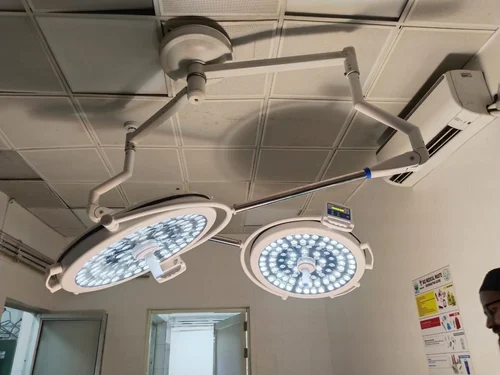
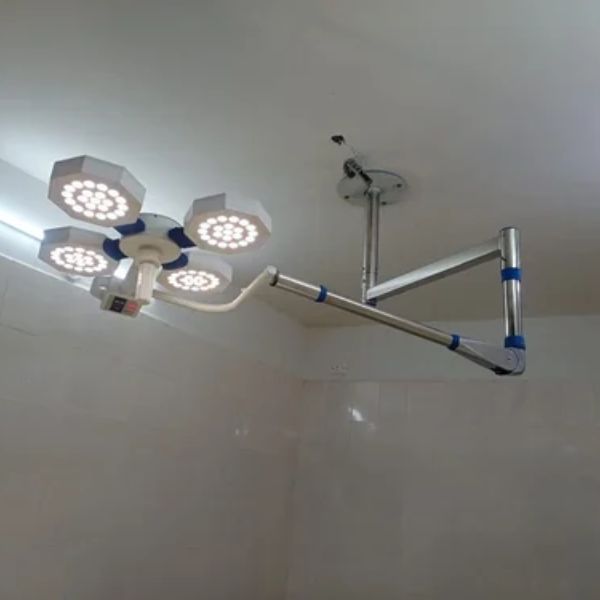
Shadow reduction technology represents a critical advancement in modern surgical lighting systems. Through multi-point light source configurations and precise optical engineering, these systems minimize shadow formation that could obstruct surgical visibility. This technology ensures consistent illumination across the surgical field, allowing surgeons to work with enhanced visual accuracy regardless of hand or instrument positioning during procedures.
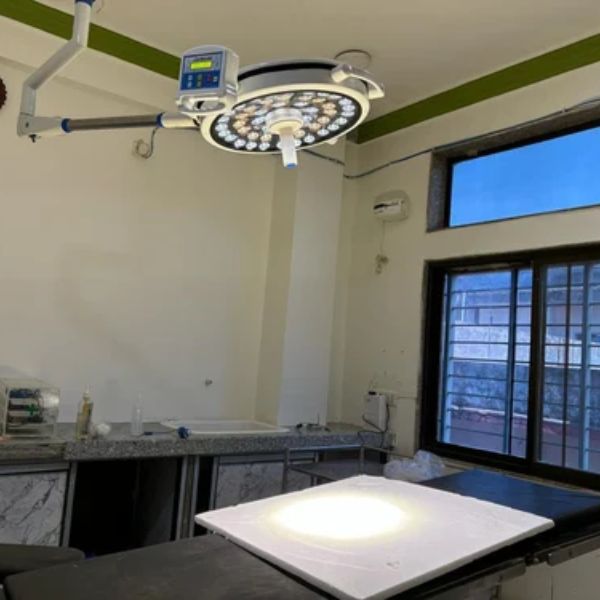
Intensity control mechanisms have become increasingly sophisticated in contemporary surgical lighting. Digital interfaces allow precise adjustment of illumination levels to match specific procedural requirements and surgeon preferences. These adaptive systems can maintain consistent brightness throughout extended surgical sessions while accommodating different tissue types and surgical approaches without manual recalibration.
Sterilization compatibility has become a fundamental consideration in surgical lighting design. Modern systems incorporate materials and surface finishes that withstand repeated sterilization processes without compromising performance or integrity. This feature is essential for maintaining infection control standards in operating environments where equipment contamination could pose significant patient safety risks.
Ergonomic positioning capabilities enable surgical teams to customize lighting configurations according to procedural requirements and operating room layouts. Motorized adjustment systems allow precise positioning of light heads without physical strain, while memory functions can store preferred configurations for different surgical specialties and individual surgeon preferences.
Integration with operating room infrastructure represents an emerging trend in surgical lighting technology. Modern systems can interface with surgical control panels, imaging equipment, and environmental control systems to create cohesive operating environments. This integration enhances workflow efficiency and allows coordinated operation of multiple surgical support systems through centralized control interfaces.
Conclusion: The Evolution of Surgical Illumination Technology
- Modern surgical lighting systems have transformed from basic illumination sources to sophisticated technological platforms that enhance surgical precision and operating room efficiency.
- Advanced features including shadow reduction, precise intensity control, and sterilization compatibility have become standard requirements in contemporary surgical environments.
- The integration of ergonomic design principles and technological innovation has created lighting solutions that adapt to diverse surgical requirements while supporting optimal working conditions for medical teams.
- Future developments in surgical lighting will likely focus on enhanced integration with digital surgical systems and adaptive illumination technologies that respond to procedural requirements in real-time.
- Investment in modern surgical lighting technology represents a commitment to surgical excellence, patient safety, and operational efficiency in healthcare facilities worldwide.